
Contestable Claims
Far too often we see a significant gap between Russia-related claims, even by top officials and respected authors, and the reality on the ground. We also often encounter a wide divergence in expert views on crucial policy questions related to Russia. This section has two basic aims: (1) to dispel misconceptions that could adversely affect the quality of U.S. policy toward Russia, particularly when vital U.S. interests are involved, through rigorous fact-checking where possible and (2) to identify and debate key dilemmas for decision-makers per the adage that “truth is born in argument.”
We invite you to explore the section and send us more claims to fact-check or debate using the rectangular red button below. (For most fact-checks, we’ve adopted the "traffic light" rating system: red for incorrect; yellow for partially correct; green for correct.)
We invite you to explore the section and send us more claims to fact-check or debate using the rectangular red button below. (For most fact-checks, we’ve adopted the "traffic light" rating system: red for incorrect; yellow for partially correct; green for correct.)
 To hear multiple Western and some Ukrainian commentators say it, the Russian-Ukrainian war has reached a turning point in the past month or so, and it favors Kyiv. As early as April 1, 2026, Kateryna Odarchenko of the Atlantic Council saw “growing signs along the front lines of Russia’s invasion that
  In a recent
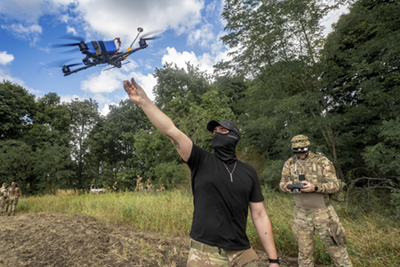
  This is the inaugural entry in Tech and Tactics, a series of blog posts conceived by RM editor Ivan Arreguín-Toft on how military technology is being used in the war in Ukraine.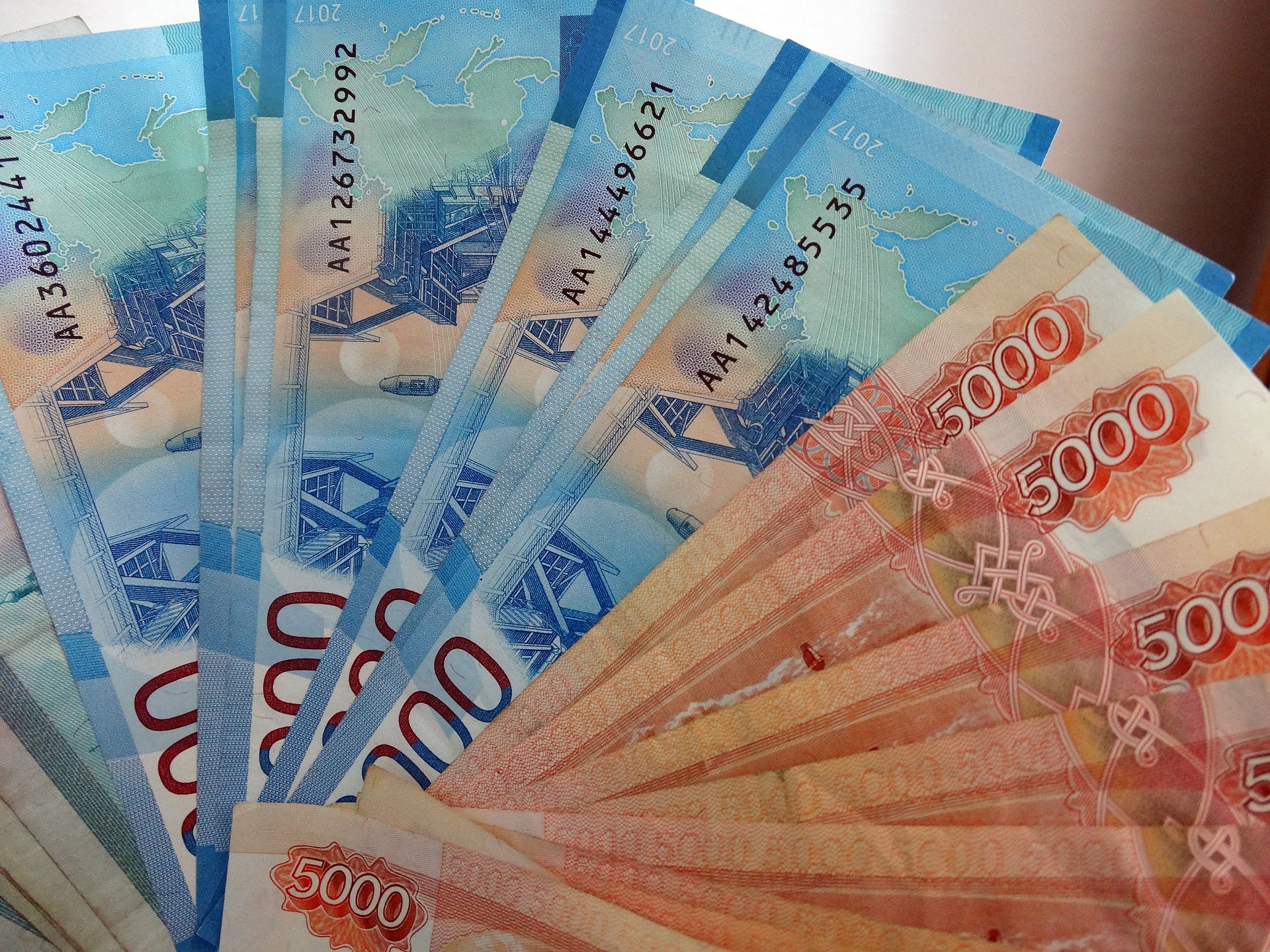
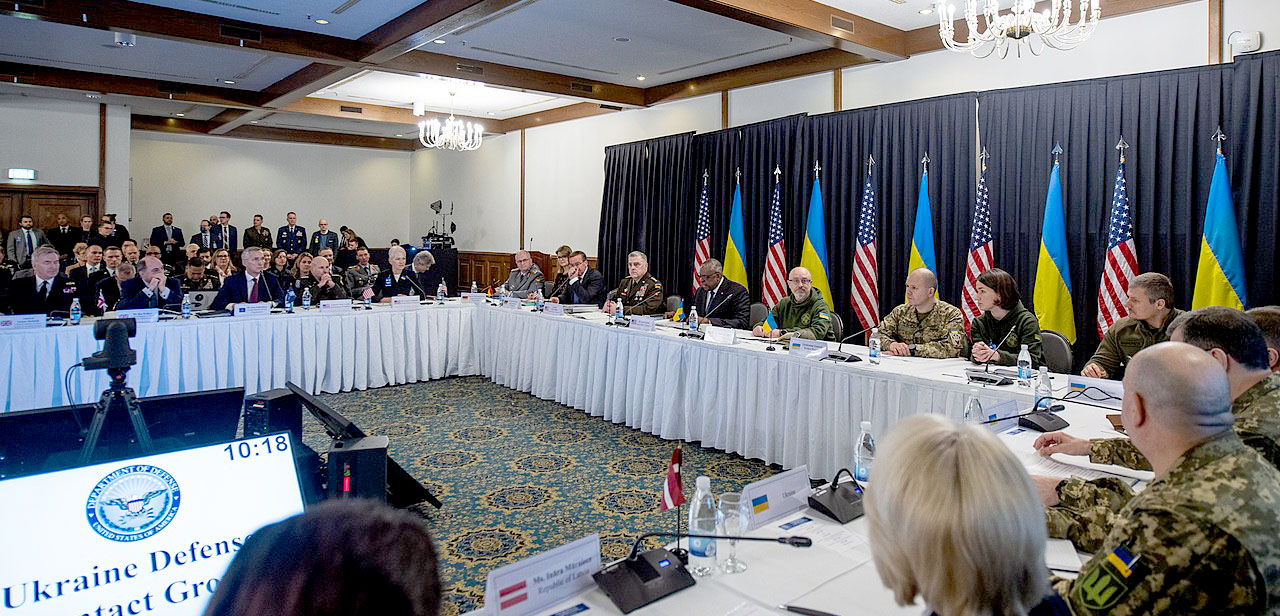 Estonian Prime Minister Kaja Kallas was quoted on Jan. 17, 2024, as saying that every member of the so-called Ramstein group should channel the equivalent of 0.25% of their gross domestic product to Kyiv annually, which “would raise at least €120 billion ($131 billion) and swing the conflict in Ukraine’s favor,” according to
 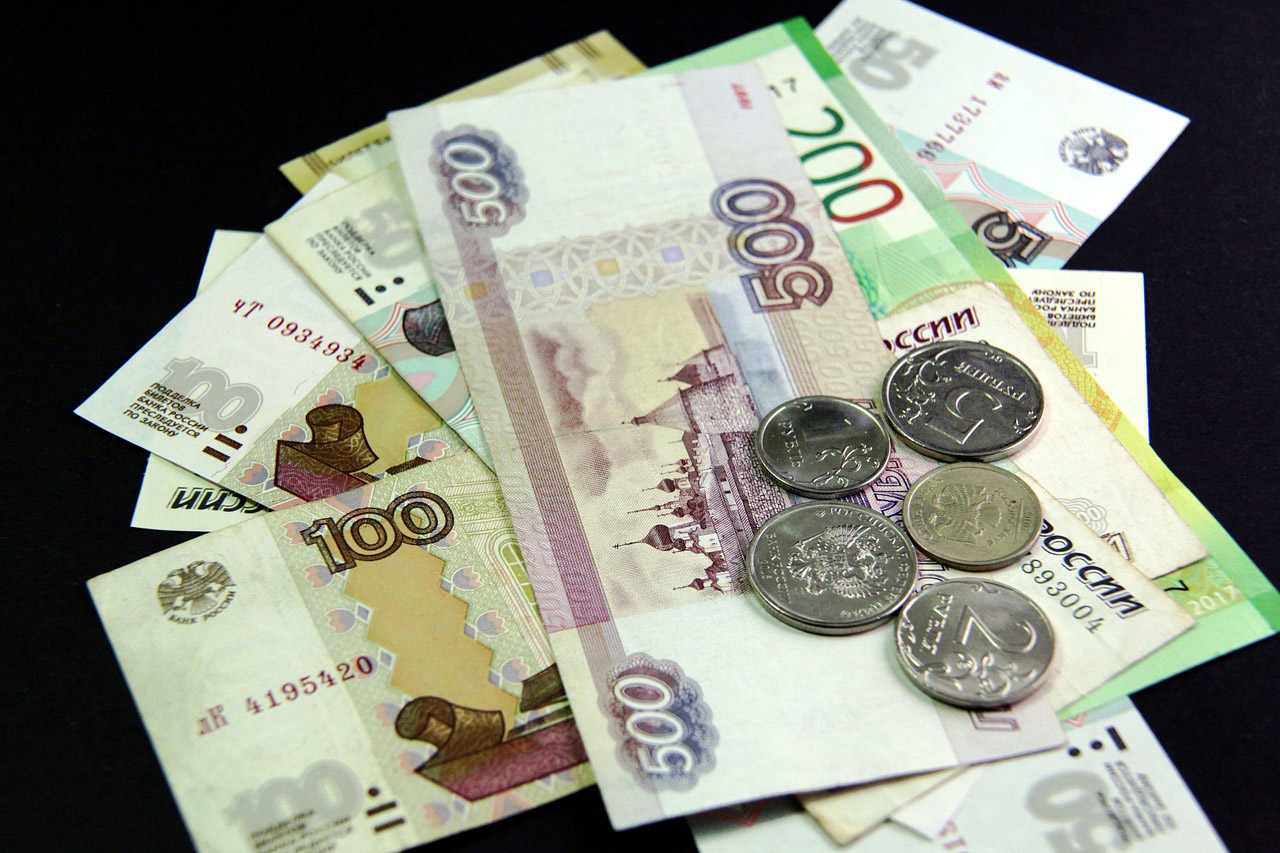 "Russia becomes Europe’s biggest economy.” That’s the headline that Kremlin-funded RT’s editors put on a story they ran Aug. 4. The story went on to trumpet that “Russia was among the world’s five largest economies and the largest in Europe in terms of purchasing power parity (PPP) as of the end of 2022, despite Western sanctions, the latest World Economics report has revealed.” Three days later, analytical resource bne IntelliNews, which is focused on emerging markets, published an
  Western policymakers are asking themselves whether the billions of dollars in aid to Kyiv have been well spent. Two analysts offer opposing assessments in a debate co-hosted by Russia Matters: Investment strategist and Chatham House fellow