
Russia and the Changes of World Order
January 01, 2022
This is a summary of an article originally published as part of "A Restless Embrace of the Past? The Conference on Russia."
The author, a professor and head of the International Relations department at Moscow’s Higher School of Economics, wrote the following as part of a collection of conference papers edited by Sandis Šrāders and George Spencer Terry:
Changing Global Order
- “The current international system could be described as a post-bipolar system in transition to a multipolar one. The transition means that the brief period of unipolarity that followed the collapse of the Soviet Union has passed, but a mature multipolar system has yet to emerge."
- “The West will gradually transform. It will have to adapt to the realities of a multipolar world. ... However ... the West is unlikely to be a source of peace and stability. On the contrary, its policies will continue to generate global conflict. ... The fundamental source of these conflicts will be attempts to impose the ideology of 'democratism' on a people that is unwilling to accept it.”
China
- "The dominant view in the United States is that China is undermining an international system based on principles that emerged in part following WWII and then fully developed with the collapse of the Soviet UnioThe general consensus in China is that the United States is trying to maintain its position of world hegemon unlawfully
Russia
- “Russia could have been integrated into the Western system to a large extent either by being admitted to NATO... or by carrying out a flexible policy combining real assistance (a new Marshall Plan) with due respect for Moscow’s interests and concerns. This was a plausible scenario.”
- “From Russia’s point of view, the so-called ‘rules-based international system’ has never existed in reality. It is a utopian construct of Western ideology ... Therefore, Western accusations of Russia and China being revisionist countries undermining the international system are purely mythological as well.”
- "Russia values internal stability above all; it cannot afford to engage in expansionism. It is not useful for Moscow, since it may lead to a dangerous confrontation with the outside world and therefore to instability. However, permanent concessions and retreats are also dangerous since they could lead to chaos. ... The resulting course is a balance between these two options.”
- “Russia’s foreign policy is natural in the current international situation and will most likely continue in the near future. Even in the unlikely event of a fundamental regime change, pro-Western forces such as those seen in the 1990s can hardly to come to power in Moscow. The existing geopolitical realities and political culture of the Russian population will not allow this to happen.
This item is part of Russia Matters’ “Clues from Russian Views” series, in which we share what newsmakers in/from Russia are saying on Russia-related issues that impact key U.S. national interests so that RM readers can glean clues about their thinking.
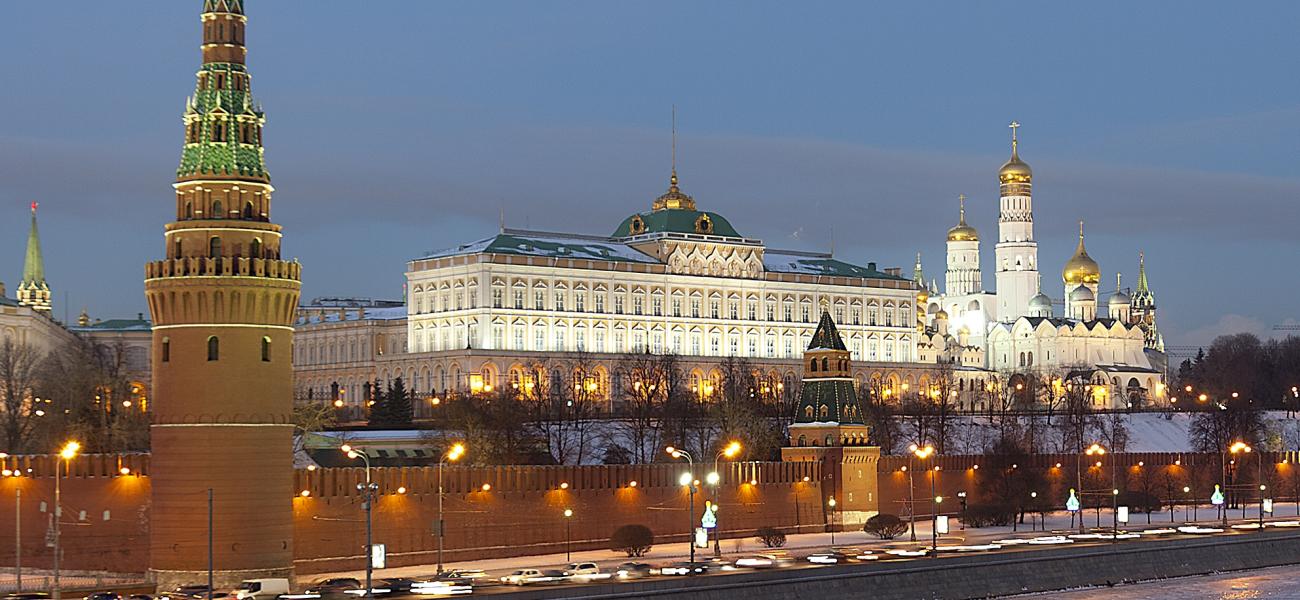
Photo by Pavel Kazachkov shared under a Creative Commons license. The opinions summarized herein are solely those of the author.
