
Russia in Review, Aug. 22–29, 2025
6 Things to Know
- A U.K.- and France-led "coalition of the willing" has pledged postwar protection for Ukraine, but European officials admit to Financial Times that European troop deployments would require support by the U.S.The latter has already agreed to provide “strategic enablers,” including intelligence, surveillance, reconnaissance, command and control and air defense assets, but its consent is contingent on commitments by European capitals to deploy tens of thousands of troops to Ukraine, according to the officials interviewed by Financial Times. Even with fighting showing no signs of subsiding, Western capitals have sketched out a rough post-war plan that would involve a demilitarized zone, patrolled by neutral peacekeeping troops from a third country agreed by Ukraine and Russia. A far more robust border behind that would be defended by Ukrainian troops armed and trained by NATO militaries, according to the plan as reported by Financial Times. However, European plans to send thousands of troops into Ukraine1 post-peace deal face skepticism from the public and parliaments, especially in Germany, where 56% oppose such deployments, according to The Wall Street Journal. Meanwhile, French support for sending troops to Ukraine hinges on a formal peace accord, and most Britons favor peacekeeping, but not direct conflict, according to The Wall Street Journal.
- Russia is demanding Ukraine cede all of Donbas in the east, but would be willing to freeze the conflict in the south along current front lines, Turkey's top diplomat Hakan Fidan said in an interview with TGRT Haber on Aug. 28. At peace talks in Istanbul earlier this year, Russia's negotiators demanded Ukraine pull out of not only the Donetsk and Luhansk provinces, which comprise the Donbas, but also from the Kherson and Zaporizhzhia oblasts2 entirely as a precondition to ending the conflict, according to AFP. However, during the latest, third round of negotiations in Istanbul on Aug. 23, the Russian and Ukrainian parties presented concrete positions for the first time, according to Fidan as reported by RBC.ua. These positions were then brought up for discussion during the meeting between Donald Trump and Vladimir Putin in Alaska, and following this summit, Moscow scaled back its demands, Fidan claimed. “That was when we saw the beginning of the end," Fidan said, according to Korrespondent.net. Fidan acknowledged it would be difficult for Ukraine to give up its territory, including heavily fortified terrain in the east that could leave Ukraine vulnerable, according to AFP.3 Interestingly, responding to Fidan’s revelations, Putin’s press secretary Dmitry Peskov did not explicitly reject them, but called for negotiations to be discreet. Such a reaction could be interpreted as a confirmation of Fidan’s claims.*
- Trump has privately fumed in recent days that his high-profile attempts at Ukraine diplomacy have yielded nothing, one senior administration official and one former official who stays in close touch with the White House told The Atlantic. Trump has also directed some frustration at Volodymyr Zelenskyy and European leaders, believing that they are being unrealistic in their demands and need to accept that Ukraine has to lose some territory to end the conflict, the current and ex-officials told the magazine. "He just wants this over," the senior official told the Atlantic. "It almost doesn't matter how."
- In the period of July 29–Aug. 26, Russian forces gained 180 square miles of Ukrainian territory, which marks a 24% decrease from the 237 square miles these forces gained in the period of July 22–Aug. 19, 2025. Comparing shorter periods, such as the past week to the preceding week, shows that in the period of Aug. 19–26, Russia gained 48 square miles of Ukrainian territory (roughly two Manhattan islands), which marks a 92% increase from the 25 square miles Russian forces gained in the period of Aug. 12–19, according to the Aug. 27, 2025, issue of the Russia-Ukraine War Report Card. This week saw Russian troops capture two villages in Ukraine’s Dnipropetrovsk region for the first time, according to The New York Times and DeepState.
- A Russian attack on Kyiv overnight on Aug. 27–28 caused what Ukrainian media described as record damage across the Ukrainian capital, leaving at least 23 dead and affecting 33 locations with nearly 100 buildings damaged. Zelensky said the strike was the second-largest attack since Russia launched a full-scale invasion in February 2022, Reuters reported. “We have an anti-record—damage in all districts of the city,” head of the Kyiv City Military Administration Tymur Tkachenko told media. During the attack, Russian forces launched 629 drones and missiles against Ukraine. Ukrainian air defense and electronic warfare units managed to destroy or suppress 589 targets—including 563 drones and 26 missiles. Nonetheless, two of the missiles struck within 50 meters of the EU mission, according to The Washington Post, Financial Times, Euronews, RBC.ua and Korrespondent.net.
- With a nod from the White House, U.S. and Russian officials have recently discussed potential energy deals, including Exxon Mobil’s return to the Sakhalin-1 project and U.S. purchases of Russian LNG and nuclear icebreakers, according to The Wall Street Journal and Reuters. Meanwhile, Russian fertilizer giant Acron increased U.S. sales by 1.7 times to $380 million in early 2025, making the U.S. its fastest-growing market, according to Kommersant. These developments, alongside ongoing U.S. imports of Russian HEU, raise questions about Washington’s efforts to justify secondary sanctions on Russian trade. Despite these questions, White House trade adviser Peter Navarro said this week that India needs to stops buying Russian oil if it wants newly-enacted U.S. tariffs on Indian imports to drop from 50% back to 25%. Data by the U.S. Census bureau shows that U.S.-Russian trade in January-June 2025 totaled $ 2,780 million compared to $ 2,117.5 million in the same period last year, rising by 31.3%.
I. U.S. and Russian priorities for the bilateral agenda
Nuclear security and safety:
- A fire broke out at the Kursk Nuclear Power Plant in Russia after Russian military forces shot down a Ukrainian drone flying near the plant, the press service of the plant said. The drone—one of several reported on Aug. 23 by Russian authorities—fell on an auxiliary transformer, sparking the fire, which has been extinguished. There was no immediate comment from Ukraine. (RFE/RL, 08.24.25)
North Korea’s nuclear and missile programs:
- North Korea has made rapid advances in its nuclear weapons and missile programs—thanks in part to technological and economic support from Russia—placing the U.S. and its allies under growing threat, according to experts and officials cited by the Washington Post. The Pyongyang-Moscow alliance has enabled Kim Jong Un to upgrade drones, missile tech, and possibly build nuclear-powered subs, eroding prospects for U.S.-driven denuclearization diplomacy. Bruce Bennett, a North Korea military expert at RAND, said: “Kim came a lot further than many people expected. I think the Russian help has been important.” (Washington Post, 08.28.25)
- U.S. President Donald Trump said he would like to meet North Korean leader Kim Jong Un this year. (Bloomberg, 08.25.25)
- Also see the section on China below.
Iran and its nuclear program:
- Satellite imagery shows no evidence that near-bomb grade uranium has been moved from Iran’s Isfahan site since a U.S. attack two months ago, said the U.N.’s International Atomic Energy Agency, while calling on Tehran to fulfill its legal obligations to allow monitoring to resume. “There is nothing to contradict the notion that the material is where it was,” IAEA Director General Rafael Mariano Grossi said. (Bloomberg, 08.27.25)
- European powers referred Iran to the United Nations to face the re-imposition of tough international sanctions after the Islamic Republic failed to comply with demands to negotiate with the U.S. and allow nuclear inspectors to resume their work. (Bloomberg, 08.28.25)
- Russia’s Foreign Ministry called for renewed, constructive talks to resolve Iran’s nuclear program. Moscow criticized efforts by Britain, Germany and France to restore U.N. sanctions, and supports a draft resolution with China at the Security Council that would delay action on the JCPOA for six months. (TASS, 08.29.25)
- China questioned Europe’s plan to snap back into place sanctions on Iran over the nation’s nuclear program, warning it could make the situation worse. (Bloomberg, 08.29.25)
Humanitarian impact of the Ukraine conflict:
- A former Russian soldier confirmed that commanders have ordered the execution of Ukrainian prisoners of war, echoing a broad pattern ISW has tracked in 2024–2025 of growing evidence and credible reports of such war crimes by Russian forces in Ukraine. Independent Belarusian outlet Vot Tak published an interview with a former servicemember of the Russian Somali Battalion who described his experience executing five Ukrainian POWs. (ISW, 08.23.25)
- Ukraine claims 20,000 children are missing, many taken from orphanages and schools in areas occupied by Russia, though the U.N. has not independently verified the figure. (Wall Street Journal, 08.22.25)
- A months-long lobbying push by Ukrainian and European officials, joined by evangelical Christian groups, has placed the plight of Ukrainian children allegedly abducted by Russia at the center of peace talks with the U.S. (Wall Street Journal, 08.22.25)
- The armed forces of Russia and Ukraine exchanged service members on Aug. 23, Russia’s Defense Ministry said on Telegram, the latest in a series of prisoner swaps this year. The swap of 146 prisoners from each side was mediated by the United Arab Emirates. (Bloomberg, 08.24.25)
- Ukrainian authorities have repatriated 65 civilians—including eight seriously ill—who were previously deported from occupied territories and abandoned by Russian authorities at the Russia-Georgia border. (ISW, 08.22.25)
- Donetsk, the largest Russian-occupied city in eastern Ukraine, is facing a severe water crisis, with residents receiving running water just a few hours every three days. (New York Times, 08.29.25)
- Norway’s Prime Minister Jonas Gahr Store said he plans to spend $8.5 billion in aid for Ukraine in 2026. (Bloomberg, 08.25.25)
- Polish President Karol Nawrocki's decision to veto a bill on aid to Ukrainian refugees has created a political storm in the Central European nation. Nawrocki, who has often raised thorny historical issues between Warsaw and Kyiv, on Aug. 26 vetoed a bill that would, beginning on Oct. 1, deny Ukrainian refugees in the country the right to work—which critics say will lead to undeclared work and the loss of tax revenue for the Polish government. (RFE/RL, 08.27.25)
- For military strikes on civilian targets see the next section.
Military and security aspects of the Ukraine conflict and their impacts:
- In the period of July 29–Aug. 26, Russian forces gained 180 square miles of Ukrainian territory, which marks a 24% decrease from the 237 square miles these forces gained in the period of July 22–Aug. 19. Comparing shorter periods, such as the past week to the preceding week, shows that in the period of Aug. 19–26, Russia gained 48 square miles of Ukrainian territory (roughly two Manhattan islands), which marks a 92% increase from the 25 square miles Russian forces gained in the period of Aug. 12–19, according to the Aug. 27, 2025, issue of the Russia-Ukraine War Report Card. (RM, 08.28.25)
- Russia is now trying to seize the last 2,500 square miles of the Donbas still under Ukrainian control. In northern Donetsk, a 45 kilometer belt of heavily-fortified cities and smaller settlements dot along a key road now represents a formidable barrier—the last major line of Ukrainian defense in the region. “Beyond this, you have open terrain, no large industrial agglomerations, no areas that would make it possible to build a stable defense,” said Dmytro Zaporozhets, spokesperson for Ukraine’s newly formed 11th army corps. (Financial Times, 08.28.25, New York Times, 08.24.25)4
On Friday, Aug. 22, 2025
- On Aug. 22, Ukraine’s DeepState OSINT group reported in its interactive map that the Russian armed forces advanced in Serebryanske forestry, near Torske and Yampolivka. (RM, 08.28.25)
- On Aug. 22, Russia claimed its troops had captured three villages in the Donetsk region it claimed to have annexed in September 2022. (MT/AFP, 08.23.25)
- Ukraine intensified strikes on Russian military and oil infrastructure, hitting the Unecha oil pumping station in Bryansk Oblast, a key facility for Russia’s military industry, as well as Russian drone, command, and ammunition sites in Donetsk and Crimea. (ISW, 08.22.25)
On Saturday, Aug. 23, 2025
- On Aug. 23, the Ukrainian Defense Forces drove the Russian forces back near Andriivka, according to the DeepState map. (RM, 08.28.25)
- On Aug. 23, the Russian forces advanced near Vilne Pole, Kamianske and Plavni, according to the DeepState map. (RM, 08.28.25)
- Russia on Aug. 23 said its forces in eastern Ukraine had taken two villages in the Donetsk region: Sredneye and Kleban-Byk. The taking of Kleban-Byk would mark a further advance towards Kostiantynivka — a key fortified town on the road to Kramatorsk, where a major Ukrainian logistics base is located. (MT/AFP, 08.23.25)
- Ukraine's military said it had downed or intercepted nearly three dozen of the more than 50 drones Russia had fired early on Aug. 23. (RFE/RL, 08.23.25)
On Sunday, Aug. 24, 2025
- On Aug. 24, Ukraine’s DeepState OSINT group reported in its interactive map that the Ukrainian Defense Forces liberated Novomykhailivka and pushed back the Russians in Zelenyi Hai. The Russian forces advanced in Udachne and near Sobolivka, according to the map. (RM, 08.28.25)
- Ukraine’s state security service and special forces struck Russia’s Baltic port of Ust-Luga with long-range drones overnight. The UAVs hit the Novatek PJSC gas processing complex. It was the second attack this year on Ust-Luga, located on the Gulf of Finland over 1,000 kilometers (620 miles) north of Kyiv, by Ukraine’s state security forces. (Bloomberg, 08.24.25)
- A squadron of Ukrainian airmen, flying Soviet-era Yak-52 propeller planes, has become a key part of the country’s low-tech defense against Russian drones. (Wall Street Journal, 08.24.25).
On Monday, Aug. 25, 2025
- On Aug. 25, Ukraine’s DeepState OSINT group reported in its interactive map that the Russian armed forces occupied Zaporizke and Novoheorhiivka, and advanced near Shevchenko, Bila Hora and Oleksandr-Shultyno. (RM, 08.28.25)
- Ukrainian forces have pushed Russian troops out of positions east and northeast of Dobropillya, seizing several settlements and nearly clearing Kucheriv Yar. Also
Ukrainian forces advanced in northern Sumy Oblast and near Lyman and Pokrovsk, while Russian troops reportedly made progress near Kupyansk, Toretsk, Novopavlivka and in western Zaporizhzhia Oblast. (ISW, 08.25.25).
On Tuesday, Aug. 26, 2025
- On Aug. 26, Ukraine’s DeepState OSINT group reported in its interactive map that the Russian armed forces advanced in Zarichne, Kotlynne, near Kolodyazy and Olhivske. (RM, 08.28.25)
- From 2022 through July 2025, Ukrainian authorities opened more than 200,000 criminal cases for unauthorized absence from military units and over 50,000 for desertion. According to the government’s Unified Report on Criminal Offenses, cases under the article on unauthorized absence numbered 6,988 in 2022 (including 347 in January and February), 17,658 in 2023 and 67,840 in 2024. The trend has accelerated in 2025: in the first seven months alone, authorities opened 110,511 AWOL cases. (Meduza, 08.26.25)
On Wednesday, Aug. 27, 2025
- On Aug. 27, Ukraine’s DeepState OSINT group reported in its interactive map that the Russian armed forces advanced near Zvirove, Temyrivka and Maliivka. For the first time, Russian troops captured two villages—Zaporizske and Novoheorhiivka—in Ukraine’s Dnipropetrovsk region, according to DeepState. While small and not militarily significant, the gains provide a symbolic boost for Moscow and add new bargaining chips for future peace talks. (New York Times, 08.27.25, RM, 08.28.25)
- Ukrainian officials stress that recent Russian advances are not a major breakthrough and may be intended to disrupt Ukrainian supply routes. (ISW, 08.27.27)
- Ukraine has unveiled the Flamingo, a domestically produced cruise missile with a reported 3,000 kilometer range and 1-ton payload—potentially capable of striking deep into European Russia. Developed by private firm Fire Point and assembled mostly in Ukraine, the missile’s rapid nine-month production and competitive cost have drawn both praise and skepticism. (The Economist, 08.27.25)
- Ahead of winter, Russia has renewed its aerial campaign against Ukraine’s energy sector, launching 95 drones overnight and cutting power to over 100,000 households. Strikes destroyed a major coal enrichment plant, damaged electricity substations, and caused blackouts and water outages in multiple regions, raising fears of energy shortages. (ISW, 08.27.27).
On Thursday, Aug. 28, 2025
- On Aug. 28, Ukraine’s DeepState OSINT group reported in its interactive map that the Russian armed forces advanced near Shandryholove, Derylove and Novoselivka. (RM, 08.28.25)
- A Russian attack on Kyiv overnight caused record damage across the capital, leaving at least at least 23 dead. The attack caused what Ukrainian media described as record damage across the capital, affecting 33 locations with nearly 100 buildings damaged. Zelenskiy said the strike, the second-largest attack since Russia launched a full-scale invasion in February 2022, was Moscow's answer to diplomatic efforts to end its war. “We have an anti-record — damage in all districts of the city,” head of the Kyiv City Military Administration Tymur Tkachenko told RBC.ua. During the night’s attack, Russian forces launched 629 drones and missiles against Ukraine. Air defense and electronic warfare units managed to destroy or suppress 589 targets—including 563 drones and 26 missiles. Nonetheless, two missiles struck within 50 meters of the EU mission and widespread damage across 20 sites in the city. It was the most ferocious attack on the Ukrainian capital since the Alaska summit between Trump and Russian President Vladimir Putin did not yield a ceasefire, according to The Washington Post. (Washington Post, 08.29.25, Financial Times, 08.28.25, Korrespondent.net, 08.28.25, RFE/RL, RBC.ua, 08.29.25, Reuters 08.29.25)5
- Ukrainian President Volodymyr Zelenskyy called for tougher sanctions on Russia after the attack. (Financial Times, 08.28.25)
- European Commission President Ursula von der Leyen and U.K. Foreign Secretary David Lammy condemned Russia’s apparent targeting of diplomatic missions in Kyiv. The EU pledged to summon Russian diplomats and adopt new sanctions. (Financial Times, 08.28.25)
- Trump's special envoy to Ukraine, Gen. Keith Kellogg, warned on X that the attacks "threaten the peace that [Trump] is pursuing.” (Washington Post, 08.29.25)
- On Aug. 28, Russia and Ukraine attacked each other’s naval vessels near the Danube. Russia claimed it struck Ukraine’s reconnaissance ship “Simferopol” with a high-speed unmanned boat, killing one Ukrainian sailor and injuring several others. Ukraine confirmed the attack and said search efforts for missing crew are underway. Separately, Ukraine’s military intelligence (GUR) reported a successful operation damaging the Russian Navy missile ship “Buyan-M,” which is equipped to launch Kalibr cruise missiles. (Istories, 08.28.25, Korrespondent.net, 08.28.25, Korrespondent.net, 08.28.25)
- Russia and Ukraine have intensified strikes on each other’s energy infrastructure to seek leverage ahead of peace talks. Recent Ukrainian drone attacks temporarily shut down up to a sixth of Russia’s refining capacity, spiking gasoline prices and causing shortages in Crimea and Russia’s Far East. Meanwhile, Russia has targeted key Ukrainian gas and oil facilities, raising winter energy worries. Both sides aim to disrupt civilian life and pressure the other as negotiations continue; the energy “truce” agreed earlier this year has collapsed. (New York Times, 08.28.25)
- Ukraine said it hit two Russian oil refineries, after stepping up attacks on the country’s energy sector over the past month. The Kuibyshev refinery in Russia’s Samara region near the Volga River and the Afipsky refinery in the southern Krasnodar region were successfully targeted, according to the Telegram post on Aug. 28 by Robert Brovdi, chief of Ukraine’s Unmanned Systems Forces. (Bloomberg, 08.28.25)
On Friday, Aug. 29, 2025
- An analysis by Meduza and Mediazona using Russian inheritance records found that about 219,000 Russian soldiers have died since the start of the Ukraine war. Deaths climbed sharply in 2024, reaching a record 93,000 for that year—nearly double the toll in 2023. At times, Russia lost more than 2,000 troops per week, and as many as 3,000 per week by late 2024. Surging court requests to officially declare soldiers dead reflect the massive casualties on the Russian side. (Istories, 08.29.25)6
Military aid to Ukraine:
On Friday, Aug. 22, 2025
- Zelenskyy has rebuked Russian demands for Moscow to be included in any security guarantees for postwar Ukraine, as U.S. efforts to end the conflict hit an impasse because of Putin’s hardline stance. The Ukrainian president’s comments came as he met NATO secretary-general Mark Rutte in Kyiv on Aug. 22 to discuss Western security guarantees, following high-profile talks in the past week over ending the war. Zelenskyy said “Article 5-like” guarantees that mirror NATO’s mutual defense clause should clearly specify “which countries help us on the ground, which ones work to ensure the security of our skies and which ones guarantee security at sea.” (Financial Times, 08.22.25)
- Graham Allison, a professor at the Harvard Kennedy School, wrote: “At this point, Zelenskyy is focused like a laser beam on the much ... critical issue of security guarantees from Europe and the United States to ensure that any ‘deal’ to end the current hot war will not simply be an intermission in which Russia prepares for the next attack. However much I wish effective security arrangements were politically feasible in Europe and the United States, I remain skeptical. Nonetheless, my bet is that if a joint U.S.-European initiative can give reasonable assurances of a sustainable armistice, the Ukrainian government will find a way to trade temporary control of land for peace.” (The National Interest, 08.29.25)
On Saturday, Aug. 23, 2025
- Zelenskyy said “all the developments” to set up security guarantees for a post-war Ukraine will be “ready in the coming days.” “At present, the teams of Ukraine, the United States and European partners are working on their architecture,” Zelenskyy said in an X post after a phone call with Netherlands Prime Minister Dick Schoof. (Bloomberg, 08.23.25)
- The U.K. will extend its training program for Ukrainian solders. (Bloomberg, 08.23.25)
On Sunday, Aug. 24, 2025
- Zelenskyy sought to emphasize Western support at the Ukrainian independence day celebrations in Kyiv on Aug. 24 that were also attended by the U.S. special envoy to Ukraine, Keith Kellogg. (Financial Times, 08.24.25)
- “The president's been very clear. There are not going to be [American] boots on the ground in Ukraine, but we are going to continue to play an active role in trying to ensure that the Ukrainians have the security guarantees and the confidence they need to stop the war on their end, ” U.S. Vice President JD Vance told Meet the Press. (NBC News, 08.24.25)
- Ukraine’s partners are stepping up military aid: the U.S. approved a new sale of 3,350 ERAM air-launched missiles, Germany and Norway are funding Patriot air defenses, and new drones and armored vehicles are on the way from Canada. (ISW, 08.24.25)
On Monday, Aug. 25, 2025
- On Aug. 25, Trump said that “we haven’t even discussed the specifics of” security guarantees for Ukraine. “We’ll be involved from the standpoint of backup. We’re going to help them,” he told reporters. (Financial Times, 08.26.25)
- The Polish government warned on Aug. 25 that it will no longer be able to pay for the Starlink satellite-internet system for Ukraine after the new president unexpectedly vetoed legislation to extend aid for Ukrainians living in the country. The bill, which would have rolled over assistance beyond Sept. 30, included funding for around 25,000 Starlink terminals that Poland has financed since Russia began its full-scale invasion in 2022. (Bloomberg, 08.25.25)
- Germany announced €9 billion in annual aid to Ukraine for the next two years; Canada is financing a new $500 million U.S. arms purchase and signed a joint defense production deal with Ukraine, with similar agreements developing with Lithuania to produce long-range drones. (ISW, 08.25.25)
- Germany’s leaders are debating whether to send German troops to help guarantee postwar security for Ukraine. Chancellor Merz has signaled openness to a European peacekeeping mission, though public opinion and some politicians remain wary. (Wall Street Journal, 08.27.25, New York Times, 08.25.25).
- Canadian Prime Minister Mark Carney said peace in Ukraine can only happen through strength, and his country will help enforce any deal with Russia — including by potentially sending troops to Ukraine as part of a postwar peacekeeping effort. (Bloomberg, 08.24.25)
- Canada’s defense minister says he’s confident the country has the capacity to send soldiers to postwar Ukraine if needed, pushing back against concerns that the country’s military is already stretched too thin. (Bloomberg, 08.25.25)
On Tuesday, Aug. 26, 2025
- A so-called coalition of the willing, led by the U.K. and France, has vowed to protect postwar Ukraine from any future Russian aggression. But European officials have privately admitted that any deployment could only take place with U.S. support to enable, oversee and protect European troops. The postwar support would involve U.S. aircraft, logistics and ground-based radar supporting and enabling a European-enforced no-fly zone and air shield for the country, the officials said. Under any peace deal, the U.S.’s vastly superior intelligence, surveillance and command and control capabilities would enable satellite monitoring of a ceasefire and effective coordination of western forces in the country. The U.S. offer is contingent on commitments by European capitals to deploy tens of thousands of troops to Ukraine and it could still be rescinded, the officials cautioned.7 (Financial Times, 08.26.25)
- Discussions revolved around four to five European brigades “on the ground, provided by [the] coalition of the willing, plus ‘strategic enablers’ from the U.S.,” Andriy Yermak, the Ukrainian president’s chief of staff, said. He said that marked “a big change from the spring.” (Financial Times, 08.26.25)
- Western capitals have sketched out a rough plan that would involve a demilitarized zone, possibly patrolled by neutral peacekeeping troops from a third country agreed by Ukraine and Russia. A far more robust border behind that would be defended by Ukrainian troops armed and trained by NATO militaries, three of the officials said. A European-led deterrence force would then be stationed deeper in Ukraine as a third line of defense, with U.S. assets supporting that from the rear. (Financial Times, 08.26.25)
- Despite discussions about a robust multinational security guarantee for Ukraine, the U.S. administration, including Defense Secretary Pete Hegseth, maintains it will not deploy American troops on Ukrainian soil. Instead, Washington has offered to provide behind-the-lines support—such as aircraft, Patriot air defense systems, ground-based radar, and intelligence sharing—which will enable, protect, and coordinate European-led peacekeeping or deterrence forces in Ukraine. This is seen as a crucial element by both European and Ukrainian officials to ensure credible defenses. (Financial Times, 08.26.25)
- The U.S. has indicated it will support a European-led postwar security force in Ukraine by providing critical “strategic enablers,” including intelligence, surveillance, reconnaissance, command and control, and air defense assets. This commitment was communicated to European and Ukrainian officials after a series of meetings with Trump and U.S. national security leaders, representing a notable shift in Washington’s stance. (Financial Times, 08.26.25)
- A plan to send thousands of European troops into Ukraine if a peace deal is reached between Kyiv and Moscow is running up against a key skeptic: the European public. (Wall Street Journal, 08.26.25)
- Any troop deployment by Germany can only be decided by parliament, where the government has a relatively small majority. Opposition parties on the far-right and far-left are all virulently against dispatching troops to Ukraine. And a survey by the Insa polling firm last week showed 56% of respondents opposed a German contribution, a rise compared with the spring. (Wall Street Journal, 08.26.25)
- In France, a March survey by pollster Elabe found that 67% of respondents supported sending a French deployment if Kyiv and Moscow reach a peace accord. Without one, 68% of respondents were opposed. (Wall Street Journal, 08.26.25)
- A majority of the British public are, according to polls, happy for their military to be involved in any peacekeeping mission but wouldn’t want to provoke a direct confrontation with Russia. (Wall Street Journal, 08.26.25)
- Meanwhile, grandiose plans for a 30,000-strong European peacekeeping mission have been pared back in part because Britain’s army doesn’t have enough manpower. France and the U.K. combined are planning to commit between 6,000 and 10,000 troops. The push for even a narrowly defined European force, however, is receiving blowback, particularly from the continent’s populists. (Wall Street Journal, 08.26.25)
On Wednesday, Aug. 27, 2025
- Kremlin spokesperson Dmitry Peskov said Russia rejects European proposals for postwar security guarantees for Ukraine and would consider any European troop deployments an expansion of NATO. Moscow wants private discussion with the U.S., seeking a veto over Western guarantees and trying to sideline European partners from Ukraine’s security framework. (ISW, 08.27.25)
On Friday, Aug. 29, 2025
- The U.S. State Department has approved a possible Foreign Military Sale to Ukraine for 3,350 Extended Range Attack Munition (ERAM) missiles and associated GPS navigation systems, spare parts, and support—valued at up to $825 million. The sale, funded in part by Denmark, the Netherlands, Norway, and U.S. aid, aims to bolster Ukraine’s regional and self-defense capabilities. The purchase will not alter the military balance in the region and does not require additional U.S. defense personnel in Ukraine. (DSCA, 08.28.25)
- The latest sale, announced by the State Department on Aug. 28, will send 3,500 extended-range cruise missiles and GPS navigation kits to Ukraine once Congress formally approves it, as expected. They cost $825 million, paid for by Denmark, the Netherlands and Norway, with some unspecified financial assistance from the Pentagon. (New York Times, 08.29.25)
- Belgium is considering sending troops to Ukraine as part of a potential peacekeeping or deterrence mission following a future peace agreement with Russia. Defense Minister Theo Francken and Foreign Minister Maxime Prévot indicated Belgium is open to participating in international forces under a formal ceasefire, joining several other European countries expressing readiness for deployment. (RBC.ua, 08.29.25)
Punitive measures related to Russia’s war against Ukraine and their impact globally:
On Sunday, Aug. 24, 2025
- “No, sanctions aren't off the table. ... The president has applied aggressive economic leverage. For example, the secondary tariffs on India, to try to make it harder for the Russians to get rich from their oil economy, ” Vance told Meet the Press. (NBC News, 08.24.25)
On Monday, Aug. 25, 2025
- Russia’s Prosecutor General’s Office has designated the Swiss-based International Baccalaureate (IB) an “undesirable” organization. (Meduza, 08.25.25)
On Tuesday, Aug. 26, 2025
- Trump warned of “an economic war” if he cannot get Putin and Zelenskyy to end their conflict, saying he had “very serious” consequences in mind if the fighting continues. “It will not be a world war, but it’ll be an economic war, and an economic war is going to be bad. It’s going to be bad for Russia, and I don’t want that,” Trump said at a meeting with his cabinet members Aug. 26 at the White House. Trump’s comments came in response to a question about whether there was a timeline for Putin to agree to bilateral talks with Zelenskyy before the U.S. president would impose threatened sanctions. (Bloomberg, 08.26.25)
On Wednesday, Aug. 27, 2025
- The European Union is mulling introducing secondary sanctions in an effort to prevent third countries from helping Russia circumvent the bloc’s existing punitive measures against Moscow, according to people familiar with the matter. The EU is working on a 19th package of sanctions that’s for now mainly expected to focus on Russian kidnappers of Ukrainian children. (Bloomberg, 08.27.25)
- Russia’s fisheries agency on Aug. 27 threatened to block Norwegian fishing vessels from the country’s territorial waters as retaliation for Oslo joining EU sanctions against two Russian fishing companies. (MT/AFP, 08.27.25)
- Russia’s Federal Security Service (FSB) has designated the Free Russia Forum, a biannual conference for Russian opposition politicians and analysts held in Vilnius, as a “terrorist” organization. (Meduza, 08.27.25)
On Thursday, Aug. 28, 2025
- Hungary’s government has filed a legal challenge in the European Court of Justice against the decision to use frozen Russian assets to fund military aid for Ukraine. (Meduza, 08.28.25)
On Friday, Aug. 29, 2025
- Investment firm LetterOne has set aside $300 million in unpaid dividends because Western sanctions prevent payouts to its Russian oligarch co-founders Mikhail Fridman and Petr Aven. The dividends, approved after Russia’s invasion of Ukraine, cannot be paid because Fridman and Aven remain on EU and U.K. sanctions lists. The company, which owns stakes in Holland & Barrett and Turkcell, must legally freeze the funds as long as the sanctions are in force. (Financial Times, 08.29.25).
For sanctions on the energy sector, please see section “Energy exports from CIS” below.
Ukraine-related negotiations:
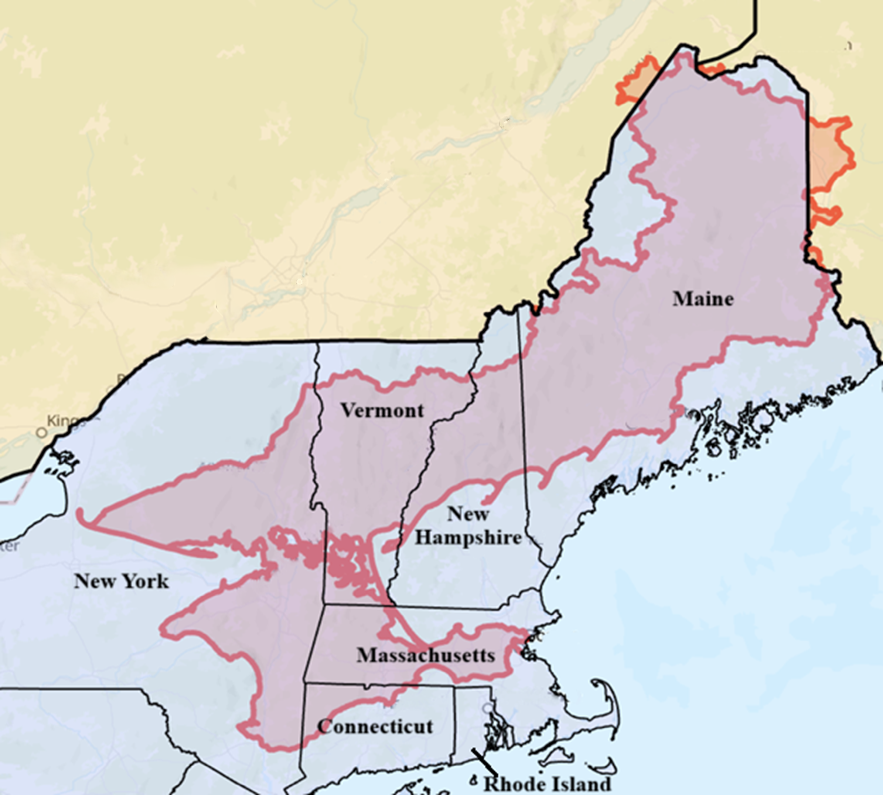
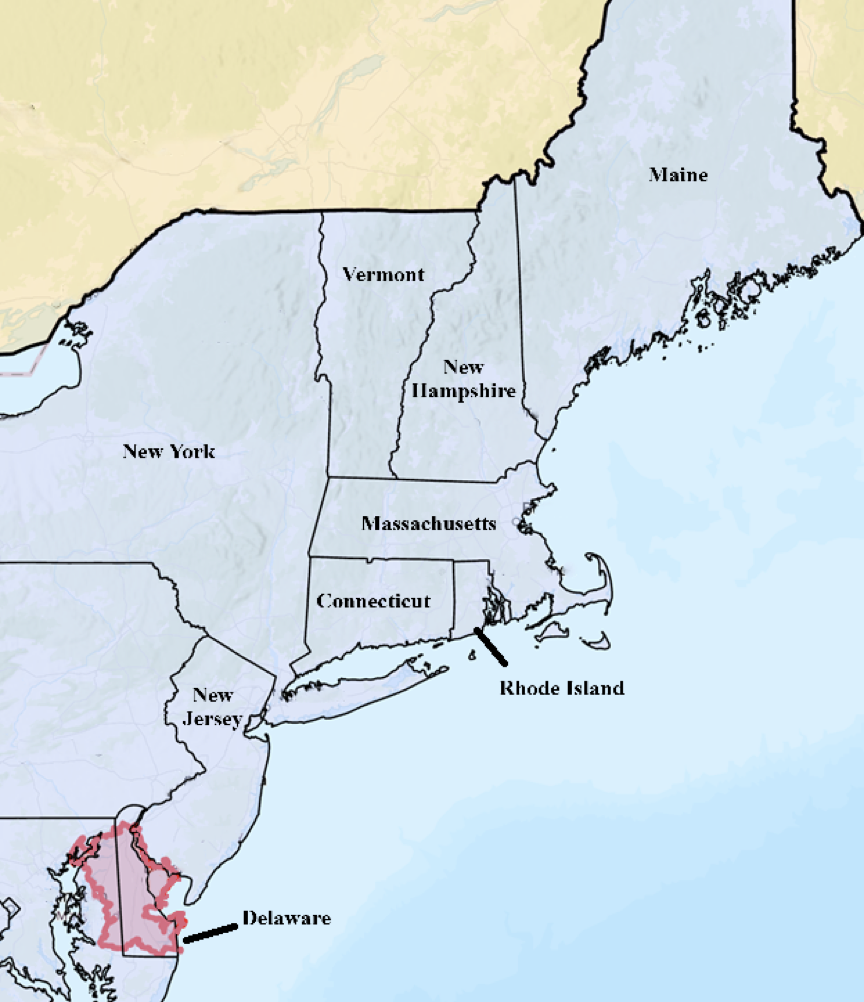
Click here to access “Mapping the Russia-Ukraine War Endgame,” a commentary by Graham Allison on this subject in The National Interest. The maps from this commentary are available at the bottom of this digest.
On Friday, Aug. 22, 2025
- Trump on Aug. 22 signaled that he would step back for now from efforts to reach a Ukraine peace deal, as he expressed frustration over rising casualties and the failure of the two sides to come closer to a peace agreement. “I’m not happy about anything about that war. Nothing. Not happy at all," Trump told reporters in the Oval Office. He added that he would make an important decision about the future of the conflict in "two weeks," a phrase that he often uses not to specify a precise time frame, but to indicate that he wants to put off a decision for a while. After that time, he said, "We'll know which way I'm going, because I'm going to go one way or the other." Trump warned he may impose “massive sanctions, massive tariffs, both” or “do nothing” in the next two weeks, in response to a Russian strike against a U.S. electronics plant in Ukraine that injured at least 19. (ISW, 08.23.25, Washington Post, 08.23.25)
On Saturday, Aug. 23, 2025
- Finland’s President Alexander Stubb said his recent talks with Trump point to the U.S. leader getting impatient with Putin over Russia’s delays in moving toward peace in Ukraine. (Bloomberg, 08.23.25)
On Sunday, Aug. 24, 2025
- [When asked “Are the Russians stringing President Trump along?”:] “No, not at all. I think the Russians have made significant concessions to President Trump for the first time in three and a half years of this conflict. They've actually been willing to be flexible on some of their core demands ... we're going to continue to make progress. But, ultimately, whether the killing stops, that determination is going to belong to whether the Russians and Ukrainians can actually find some middle ground here,” Vance told Meet the Press. (NBC News, 08.24.25)
- “What they [the Russians] have conceded is the recognition that Ukraine will have territorial integrity after the war. They've recognized that they're not going to be able to install a puppet regime in Kyiv. That was, of course, a major demand at the beginning. And importantly, they've acknowledged that there is going to be some security guarantee to the territorial integrity of Ukraine,” Vance told Meet the Press. (NBC News, 08.24.25)
- “Ukrainians are going to ultimately make the determination about where you draw the territorial lines in their own country. ... If Ukrainians are willing to say something on territory that brings the conflict to the close, we're not going to stop them,” Vance told Meet the Press. (NBC News, 08.24.25)
- Zelenskyy said Aug. 24 a meeting with Putin would be “the most effective way forward.” (MT/AFP, 08.24.25)
- Russian Foreign Minister Sergei Lavrov threw up a new roadblock to direct talks between Putin and Zelenskyy. During an interview with NBC's Meet the Press that aired on Aug. 24, Lavrov denied Russia has erred in striking civilian targets in Ukraine, questioned the legitimacy of Zelenskyy and blamed Ukraine for setting back the peace process. Lavrov accused Western countries on Aug. 24 of trying to “block” peace negotiations to end the Ukraine conflict. (MT/AFP, 08.24.25, RFE/RL, 08.24.25)
- Canada’s Prime Minister Mark Carney has praised Trump’s push for peace in Ukraine as he visited Kyiv to mark the country’s independence day alongside Western allies. “I applaud the leadership of the transformative U.S. President Donald Trump in creating the possibilities for peace,” said Carney, who has previously been at odds with Trump over issues including tariffs and Trump’s stated desire to annex Canada. (Financial Times, 08.24.25)
On Monday, Aug. 25, 2025
- Trump said Aug. 25 that he has spoken again with Putin following last week’s multilateral talks in Washington with Zelenskyy and European leaders. “Every conversation I have with him is a good conversation. And then, unfortunately, a bomb is loaded up into Kyiv or someplace, and I get very angry about it,” Trump told reporters when asked about the outcome of the phone call. Before Aug. 25, Trump’s most recent call with Putin had been known to take place on Aug. 18. Trump also said he believed the Russian president’s dislike of Zelenskyy is holding up a meeting between the two leaders. “He doesn’t like him,” Trump told reporters. “I have people I don’t like, I don’t like to meet with them.” In a subsequent meeting with Korean President Lee Jae Myung, Trump said Ukraine and Russia would ultimately have to decide whether to set the meeting. (Bloomberg, 08.25.25, MT/AFP, 08.26.25)
- Ukrainian and U.S. officials will meet later this week to discuss possible peace negotiations with Russia, Zelenskyy told journalists on Aug. 25. Zelenskyy also said he planned to meet on Aug. 25 with U.S. special envoy Keith Kellogg “as part of preparations for a possible future meeting with the Russian side.” Kellogg arrived in Kyiv on Aug. 24 to attend Ukrainian Independence Day celebrations. (Meduza, 08.25.25)
On Tuesday, Aug. 26, 2025
- Speaking on Aug. 26, Trump again played down the likelihood of a quick meeting of the Russian and Ukrainian leaders and raised the possibility of new sanctions on Moscow, although he also said the Ukrainian side is not without blame. (RFE/RL, 08.27.25)
On Wednesday, Aug. 27, 2025
- Witkoff is to meet a Ukrainian delegation to the U.S. this week as Kyiv’s allies discuss possible security guarantees for the war-ravaged nation, a person familiar with the plans said. (Bloomberg, 08.27.25)
On Thursday, Aug. 28, 2025
- Russia is demanding Ukraine cede all of Donbas in the east, but would be willing to freeze the conflict in the south of the country along current front lines, Turkey's top diplomat Hakan Fidan said in an interview with TGRT Haber on Aug. 28. At peace talks in Istanbul earlier this year, Russia's negotiators demanded Ukraine pull out of Donetsk, Lugansk, Kherson and Zaporizhzhia provinces entirely as a precondition to ending the conflict. But then during the latest, third round of negotiations in Istanbul on Aug. 23, the Russian and Ukrainian parties presented concrete positions for the first time, according to Fidan. These positions were then brought up for discussion during the meeting between Trump and Putin in Alaska, and following this summit, Moscow scaled back its demands, according to Fidan. “That was when we saw the beginning of the end," Fidan said. “Now they have given up on that demand and are staying on the contact lines, except for one region ... There is currently a preliminary (agreement) regarding the return of 25-30 % of Donetsk and maintaining the contact line in Zaporizhzhia and Kherson," Fidan said. "The fact they have stated this themselves and have agreed to have it guaranteed by a security mechanism in principle ... actually provides a truly remarkable framework in this war," he added. However, Fidan acknowledged it would be difficult for Ukraine to give up its territory, including heavily fortified terrain that could leave Ukraine vulnerable. (AFP, 08.29.25,8 RBC-Ukraine, 08.29.25, Korrespondent.net, 08.29.25)
- "We have not released all the details of what was said between the two presidents in Alaska on purpose. ... They discussed the Ukrainian settlement at length, but we do not think that it would be expedient to leak any details. In the interests of settlement, this work should be carried out discretely," Putin’s press secretary Peskov explained, commenting on a remark from Fidan, saying that Russia is allegedly prepared for territorial compromises for the sake of settlement. (TASS, 08.29.25)
- Fidan and U.S. Secretary of State Marco Rubio discussed peace efforts on the Russia-Ukraine conflict in a phone call Aug. 28. (Kathimerini English Edition, 07.29.25)
- Trump has privately fumed in recent days that his high-profile attempts at diplomacy have yielded nothing, one senior administration official and one former official who stays in close touch with the White House told us. Trump also has directed some frustration at Zelenskyy and Europe, believing that they are being unrealistic in their demands and need to accept that Ukraine has to lose some territory to end the conflict, the current and ex-officials told The Atlantic. He is hesitant to commit more U.S. involvement, wary of alienating his MAGA base and he has ratcheted up his efforts to blame the war on his predecessor, Joe Biden, even seven months into his own presidency. "He just wants this over," the senior official told The Atlantic. "It almost doesn't matter how." (The Atlantic, 08.28.25)
- European officials say they've grown mystified by what exactly Putin promised the Americans behind closed doors, what U.S. officials took away from their discussions with Moscow and where that leaves the effort to achieve peace. Part of the confusion seems to trace to Witkoff's Aug. 6 meeting with Putin, where certain details regarding Russia's willingness-or lack thereof-to withdraw its troops from parts of Ukraine appear to have been lost in translation. According to two U.S. and three European officials who were briefed on the conversation, Putin told Witkoff that Russia would require "de jure" recognition-official recognition under international law-of Russian control over two territories that are currently within the internationally recognized borders of Ukraine: Crimea and Donbas. Putin told Witkoff that, in return, Russia would be willing to give up its legal claim to two territories in southern Ukraine, Zaporizhzhia and Kherson. European officials were "confused about the phrasing," as one European official put it, of what Putin and Witkoff had tentatively agreed to. (The Atlantic, 08.28.25)
- A meeting between Zelenskyy and Putin is unlikely to materialize, according to German Chancellor Friedrich Merz, even though it was touted earlier by Trump. “Apparently a meeting between Zelenskyy and Putin won’t happen, unlike what has been agreed between President Trump and Putin,” Merz told reporters Aug. 28 near Toulon, France. (Bloomberg, 08.28.25)
On Friday, Aug. 29, 2025
- European leaders are considering a Ukraine-Russia buffer zone as part of peace negotiations, but disagreements remain over the size and makeup of any potential force. With NATO countries hesitating to commit troops, questions linger on rules of engagement, Russian escalation, and whether third countries might need to patrol the demilitarized area. France and the U.K. are likely to form the core of the force, but frontline states like Poland worry such deployments would undermine their ability to defend NATO’s eastern flank. (Politico, 08.29.25)
- Zelenskyy dismissed proposals from European leaders for a new buffer zone between Russian and Ukrainian forces, saying such a “dead zone” already exists: heavy military equipment from both sides has been withdrawn more than 10 km from the front lines due to the threat from drones. Zelenskyy noted calls for buffer zones of 40–100 km are out of touch with current battlefield realities and suggested any further pullback would require Russia to withdraw its troops from occupied territories. (RBC.ua, 08.29.25)
- Ukrainian Presidential Chief of Staff Andriy Yermak met with Trump’s envoy Steve Witkoff in New York to “push for real diplomacy” and advance the agreements from the recent White House summit between Trump, Zelenskyy and European leaders. Yermak said Ukraine is prepared for negotiations with Russia in any format, including a direct meeting between Putin and Zelenskyy, signaling continuing diplomatic engagement despite stalled peace efforts. (Meduza, 08.29.25)
- French President Emmanuel Macron warned that if Putin fails to meet with Zelenskyy as promised, he will have “played” Trump—suggesting Putin is avoiding serious negotiations to end the war. German Chancellor Friedrich Merz added that it appears Putin is unwilling to hold such a meeting and predicted the war will continue for “many more months.” France and Germany have pledged additional air defense systems to Ukraine and will begin strategic nuclear talks following Russia’s latest deadly attack on Kyiv. (SCMP, 08.29.25)
- Russia’s Foreign Ministry has condemned Macron for calling Putin a “predator” and “ogre,” accusing Macron of “vulgar insults.” (The Moscow Times, 08.29.25)
Great Power rivalry/new Cold War/NATO-Russia relations:
- NATO members are on track to spend more than $1.5 trillion on defense in 2025, according to the alliance’s latest estimates. (Bloomberg, 08.27.25)
- U.S. and European officials are increasingly concerned by Russian surveillance drones flying over American weapons transit routes in eastern Germany, collecting intelligence on arms shipments to Ukraine. While Russian sabotage acts in Europe have dropped—thanks to tighter security and law enforcement—officials warn that the intelligence gathered via these drones could be used for future sabotage or subversive operations. Some drones are believed to be Iran-made or launched from the Baltic Sea, and authorities are bolstering anti-drone measures near German bases. (New York Times, 08.28.25)
- The Kremlin on Thursday dismissed a report that Russia or its proxies have used drones to monitor U.S. and allied weapons shipments moving through eastern Germany. (MT/AFP, 08.28.25)
China-Russia: Allied or aligned?
- The upcoming Shanghai Cooperation Organization (SCO) summit in Tianjin, China, will see member states make a joint statement on key international and regional issues, according to China’s ambassador to Russia. The summit, scheduled for Aug. 31–Sept. 1 and coinciding with historic WWII anniversaries, will bring together over 20 leaders including President Vladimir Putin. China, this year’s rotating chair, aims to unite partners from the Global South and spearhead sustainable development and greater SCO cohesion. Also Vladimir Putin and North Korea's Kim Jong-Un will attend a "Victory Day" parade on Sept. 3—the first time they have appeared in public alongside Xi. (TASS, Reuters, 08.28.25)
- Putin will have a rare opportunity to meet with his two most important energy partners this weekend, at a time when he needs something from both. Ensuring India’s Narendra Modi is willing to maintain a healthy level of Russian crude imports, despite growing U.S. pressure, will be high on Putin’s agenda. His second undertaking will likely be to get Chinese leader Xi Jinping to play his part, including by unblocking a long-mooted gas pipeline that would help Moscow replace more of its sales to Europe. (Bloomberg, 08.28.25) Modi is to host Putin in December.
- Russia’s ambassador to China, Igor Morgulov, said Moscow and Beijing will remain close partners for at least the next 15 years, stressing their stable cooperation and mutual interests in global politics. Morgulov highlighted resilience to political shifts as a hallmark of the partnership. (TASS, 08.29.25)
- Kremlin spokesperson Dmitry Peskov said the full potential of Russian-Chinese partnership remains unrealized, noting that both sides see many more opportunities ahead. The statement comes as President Putin prepares for a visit to China to discuss further expanding economic, political, and technological ties. (TASS, 08.29.25)
- North Korean leader Kim Jong Un and Russian President Vladimir Putin will be among 26 heads of state traveling to China on Sept. 3 for a military parade marking the 80th anniversary of the end of World War II, according to the Chinese Foreign Ministry. (Meduza, 08.28.25)
- The South China Morning Post wrote that “the stage is set” for Putin and Kim to appear publicly alongside Xi in a show of defiance against U.S. pressure. (MT/AFP, 08.28.25)
- North Korean leader Kim Jong Un will visit China for the military parade on Sept. 3, a rare trip that would place him alongside other world leaders attending, including Russian President Vladimir Putin. Kim “will soon visit the People’s Republic of China at the invitation of Xi Jinping” to participate in the celebrations of the 80th anniversary of the end of the World War Two, North Korea’s official Korean Central News Agency said.
- Just days after U.S. President Donald Trump said he’d like to meet North Korean leader Kim Jong Un, Pyongyang responded in its own way, by announcing Kim’s plans to join Russian President Vladimir Putin in attending a key Chinese military parade in Beijing. (Bloomberg, 08.29.25)
- Russia exported 2.7 million tons of fertilizer to China from January to July 2025, keeping pace with last year’s record volumes. The Russian Association of Fertilizer Producers says continued cooperation—including new technologies and secure payment systems—will help boost both countries’ agricultural output and global food security, especially amid Western tariffs. (TASS, 08.29.25)
Missile defense:
- No significant developments.
Nuclear arms:
- It's been a busy few weeks up on the windswept Russian archipelago of Novaya Zemlya: people, earthmoving trucks, shipping containers, temporary housing, heavy-lift aircraft, helicopters, cargo ships. The activity shows up in satellite imagery, aircraft hazard notifications, ship transponder trackers, and open-source intelligence reporting The betting money for close watchers of Russian weapons development is on another test of a trouble-plagued, nuclear-powered cruise missile called the Burevestnik. (RFE/RL, 08.28.25)
Counterterrorism:
- No significant developments.
Conflict in Syria:
- No significant developments.
Cyber security/AI:
- No significant developments.
Energy exports from CIS:
- White House trade adviser Peter Navarro said U.S. tariffs on Indian imports could drop from 50% back to 25% “tomorrow” if India stops buying Russian oil, which he claims fuels Moscow’s war in Ukraine. Navarro argued Indian purchases undermine U.S. taxpayers and workers, warning the new levies could damage India’s key export sectors. The pressure campaign marks an escalation in Trump administration criticism and could strain U.S.-India relations further as Modi prepares for a visit to China. (Washington Post, 08.28.25)
- Refiners in India, among the largest buyers of Russian crude, are planning to trim their purchases in the coming weeks. State-run and private processors, including heavyweight Reliance Industries Ltd., are expected to buy 1.4 million-to-1.6 million barrels a day for October loading and beyond. That compares with an average of 1.8 million barrels a day in the first half of the year. (Bloomberg, 08.26.25)
- Indian refiners have stepped up their purchases of U.S. crude after price drops, as Washington cracks down on the Asian nation for buying Russian barrels. (Bloomberg, 08.29.25)
- Russia’s sanctioned Arctic LNG 2 project boosted gas output to record levels this month as the export facility keeps loading cargoes that have struggled to find buyers. Natural gas production at the Novatek PJSC-led plant averaged nearly 15 million cubic meters a day during most of August, according to a person with knowledge of the matter. (Bloomberg, 08.27.25)
- A tanker with a shipment of liquefied natural gas from a U.S.-sanctioned export facility in Russia has docked at a Chinese terminal for the first time, the latest move by Moscow to expand fuel deliveries into Asia. The Arctic Mulan vessel, which is carrying fuel from the blacklisted Arctic LNG 2 plant in Russia’s north, docked at the Beihai LNG terminal on Thursday. (Bloomberg, 08.28.25)
- Russia has increased its August crude oil export plan from western ports by 200,000 barrels per day after Ukrainian drone strikes shut down 10 refineries, freeing up more crude for export. The disruptions mean Russia will ship about 2 million bpd from ports like Primorsk, Novorossiisk, and Ust-Luga, up from the initial plan of 1.8 million bpd. (Reuters, 08.26.25).
- Ukraine's attacks on Russian oil-export infrastructure—encouraged in recent days by President Trump—have exposed how deeply parts of Europe still rely on Moscow's hydrocarbon exports and pipelines even in the fourth year of war. The European Union imported some €23 billion, equivalent to nearly $27 billion, worth of Russian hydrocarbons last year. (Wall Street Journal, 08.23.25)
- Russian oil deliveries to Hungary and Slovakia via the Druzhba pipeline resumed on Thursday, a week after Ukrainian attacks on a pumping station in western Russia disrupted shipments, authorities in both countries said. (MT/AFP, 08.28.25)
- The Russian government has extended its ban on gasoline exports, TASS reported. Full restrictions will remain in place through Sept. 30. (Meduza, 08.27.25)
Climate change:
- No significant developments.
U.S.-Russian economic ties:
- U.S. and Russian officials discussed possible energy deals—including Exxon Mobil’s return to the Sakhalin-1 project, U.S. equipment sales for Russia’s LNG ventures, and even U.S. purchase of Russian nuclear icebreakers—on the sidelines of recent Ukraine peace talks, according to sources cited by Reuters. (Reuters, 08.26.25)
- Russian fertilizer giant Acron boosted its U.S. sales by 1.7 times in the first half of 2025, reaching 34.9 billion rubles (~$380 million) and making the U.S. share of group revenue 28%—the highest growth rate and shipment volume among all markets, according to company reports. Acron is a major producer of ammonia, nitrogen, and compound fertilizers. This surge, alongside ongoing Russian shipments of highly enriched uranium for U.S. nuclear power plants, complicates Washington’s efforts to justify and enforce sanctions on other countries trading with Russia. (Kommersant, 08.26.25)
U.S.-Russian relations in general:
- Tulsi Gabbard, director of national intelligence, surprised Central Intelligence Agency officials last week when she included an undercover senior CIA officer on a roster of 37 current and former officials she stripped of security clearances. Most of the 37 people had either participated in intelligence assessments related to Russia's attempt to influence the outcome of the 2016 U.S. presidential election or had signed a 2019 letter calling for President Trump's impeachment. (Wall Street Journal, 08.29.25)
- William Burns, who spent 35 years as a diplomat before leading the CIA from 2021 to 2025, said that under the guise of reform, crucial experts on technology and China policy had been forced out. He cited the case of one diplomat given six hours to clear his office. “When I was expelled from Russia," the diplomat reportedly told him, “at least Putin gave me six days to leave." (News18, 08.29.25)
- On Aug. 27, the United States deported at least 30 Russian citizens—including asylum seekers—back to Russia in a single day, according to Dmitry Valuyev of Russian America for Democracy in Russia. The large-scale deportation was reported by The Insider and marks a significant uptick, raising concerns among rights activists about the fate of returnees given the risks faced by political dissidents and other vulnerable individuals in Russia. (The Insider, 08.28.25)
- On the morning of Nov. 19, 2024, U.S. citizen Timur Kishukov was supposed to fly back to his home near Chicago, where the truck driver had started his own logistics company earlier in the year, after a visit to his native region of Kabardino-Balkaria, in Russia's North Caucasus. He didn't make it to the airport. On the eve of his return flight, the 37-year-old father of four was detained by Federal Security Service (FSB) officers. Kishukov was brought to a basement room where he was questioned for over three hours about his stance on Russia's war in Ukraine and badgered about Russians who have worked for U.S. intelligence—including a purported former CIA informant who was fatally injured by a pipe bomb blast in New Jersey in 1985. (RFE/RL, 08.27.25)
- Orthodox Church in America (OCA) Archbishop Alexei of Sitka and Alaska apologized for not asking Russian President Vladimir Putin to end the war in Ukraine during their meeting in Anchorage. (Meduza, 08.25.25)
- Russian Post has suspended package deliveries to the United States due to new U.S. import duties, the state news agency TASS reported. (Meduza, 08.26.25)
- The Levada Center released survey results Aug. 29 showing that an overwhelming majority of Russians viewed the Aug. 15, 2025, meeting between Putin and Trump on a U.S. military base in Alaska positively. According to the poll (conducted Aug. 19–27), 79% of respondents viewed the summit positively, and 51% believe the talks should help improve bilateral relations. However, the Russian public remains divided on whether the negotiations will help end the war in Ukraine: approximately half (53%) are optimistic about the prospects for a resolution, while 37% express pessimism regarding any positive impact on the conflict. The survey also notes that overall Russian attitudes toward the U.S. are at their most positive in recent years, with positive assessments rising to 48% and negative ones dropping to 30%. (Levada.ru, 08.29.25)
II. Russia’s domestic policies
Domestic politics, economy and energy:
- Gross domestic product expanded by just 1.1% over the first seven months of the year, according to data from the Economy Ministry. That’s barely above the lower bound of the central bank’s 1–2% growth forecast for 2025. Current trends suggest that full-year growth may fail to meet even that conservative range, analysts say. (Bloomberg, 08.28.25)
- Liam Peach, an analyst with Capital Economics, and Stanislav Murashov, an economist with Moscow-based Raiffeisenbank, both estimated quarterly growth in Q2 at 0.3%. (MT/AFP, 08.26.25)
- Russian households have amassed a record amount of bank deposits as they take advantage of historically high interest rates for savings accounts in the wartime economy. Deposits held by individuals grew 8% in the first seven months of the year to reach 43.6 trillion rubles ($542 billion), according to Bank of Russia data published Tuesday. In total, Russians now hold 61.1 trillion rubles in deposits and accounts. (Bloomberg, 08.27.25)
- The Russian government has called on President Vladimir Putin to denounce the European Convention for the Prevention of Torture, according to a resolution published on an official website on Monday. (Meduza, 08.25.25)
- The Kremlin is considering reassigning Deputy Chief of Staff Dmitry Kozak—one of the few senior Putin aides reportedly critical of the war in Ukraine—to the post of presidential envoy to the Northwestern Federal District, according to sources cited by Vedomosti and Meduza. The possible move comes amid broader government reshuffling, with incumbent envoy Alexander Gutsan expected to become Prosecutor General and Igor Krasnov likely to chair the Supreme Court. (Meduza, 08.29.25)
- Authorities charged an artistic director at the Yeltsin Center with “discrediting the Russian armed forces”—the second employee of the library and cultural center dedicated to the late Russian president to face such charges in the past month. Vladimir Shmyrov, a film critic who runs many of the Yeltsin Center’s film screenings, was ordered to appear next week for a preliminary hearing at a district court in Yekaterinburg. (RFE/RL, 08.26.25)
- Parts of the Kuril Islands in Russia’s Far East have run out of gasoline, local authorities said Monday, as regions across the country face shortages that some have blamed on Ukrainian drone strikes on oil refineries and a summer surge in demand. (MT/AFP, 08.25.25)
- Russia’s Federal Security Service (FSB) has demanded that tech giant Yandex provide round-the-clock access to its integrated smart home system and voice assistant Alisa, independent media reported on Thursday, citing court documents. (MT/AFP, 08.28.25)
- At least 14 of Russia’s domestically built Superjet passenger planes are operating on domestic routes with fuselage design flaws, pro-Kremlin media reported on Tuesday, citing letters from the manufacturer and the country’s civil aviation authority. (MT/AFP, 08.26.25)
- The parents and teachers of more than a million students in Moscow will be required to start using the Kremlin-backed messaging app Max for all online communication in the upcoming school year, city authorities said on Friday. (MT/AFP, 08.29.25)
Defense and aerospace:
- See section Military aspects of the Ukraine conflict and their impacts above.
Security, law-enforcement, justice and emergencies:
- Russian Prosecutor General Igor Krasnov is set to become the new Chairperson of the Supreme Court, as longtime Investigative Committee chief Alexander Bastrykin declined the role. The reshuffle reflects efforts by the Kremlin to place younger officials in top legal positions. (ISW, 08.25.25)
- An investigation by Proekt found that Anna Krasnova—ex-wife of Russian Prosecutor General Krasnov—earned nearly 160 million rubles ($1.8 million) from 2021 to 2024, and about 200 million rubles over the past decade. Journalists suspect their divorce was staged to conceal family wealth, as Anna Krasnova has continued to travel and have children with Krasnov. She holds a high-paying executive job at Transmashholding, and her mother runs companies with substantial profits. (Istories, 08.27.25)
- Acting Kursk Oblast Vice Governor Vladimir Bazarov was detained on charges of embezzling funds allocated for border fortifications, as Moscow continues to scapegoat local officials for border security failures and Ukrainian cross-border raids in 2023–2024. (ISW, 08.25.25)
Agents from the Federal Security Service (FSB) broke down the door to Mayor Dmitry Naumov’s office and waited for him to show up for work, according to the pro-Kremlin tabloid Argumenty i Fakty. An unnamed law enforcement source later told the state-run TASS news agency that Naumov, a member of the ruling United Russia party, is suspected of large-scale fraud. (MT/AFP, 08.27.25)
III. Russia’s relations with other countries
Russia’s external policies, including relations with “far abroad” countries:
- The Kremlin confirmed Aug. 29 that Putin will visit India in December, as Russia and India deepen ties amid Washington’s new 50% tariffs on Indian goods for purchasing Russian oil. Ahead of the visit, Putin will meet Prime Minister Narendra Modi at a regional summit in China. Russia has increased energy exports to India after losing European markets to sanctions. India, not a party to the ICC, is under no obligation to arrest Putin despite an outstanding warrant. (The Moscow Times, 08.29.25)
- Russia has called on Israel to abandon its E1 settlement plan, warning it would prevent a viable two-state solution by blocking Palestinian territorial continuity. Russian Foreign Ministry spokeswoman Maria Zakharova said the project “cannot help but cause grave concern” and urged Israel to halt expansion in East Jerusalem, describing recent developments in the occupied territories as “extremely negative.” Moscow also condemned Israeli airstrikes on Gaza that killed civilians, including journalists, and reiterated its call for an immediate ceasefire and renewed peace talks. (Middle East Monitor, 08.29.25)
- Austrian prosecutors have indicted former intelligence officer Egisto Ott, accusing him of spying for Russian intelligence and abusing his office in what’s called Austria’s biggest espionage scandal in decades. Ott allegedly passed sensitive information and police data to fugitive ex-Wirecard executive Jan Marsalek and Russian intelligence contacts between 2017 and 2021. Authorities say Marsalek, now believed to be in Russia, is linked to the FSB. Ott also allegedly helped deliver secure EU communication hardware to Russian intelligence for money. (Washington Post, 08.29.25)
- The ministry for women in South Africa’s presidency cautioned citizens against accepting offers of jobs in Russia being promoted on social media. The warning comes three days after Bloomberg News reported that firms from Russia, including one that’s been accused of tricking young women into working in a military drone assembly plant, were targeting South Africa to recruit labor. (Bloomberg, 08.25.25)
- Gulf tourists are flocking to Russia as Moscow deepens ties with the region amid Western sanctions, offering simplified visas, new direct flights, and influencer-driven social media campaigns. Total Gulf visits to Russia have quadrupled since 2019, with Saudi arrivals up six-fold in the past year. Travelers cite lower costs, cultural attractions, and unique experiences like military-themed tours. Despite sanctions complicating payments and navigation apps, Gulf visitors rate Russia as safe and welcoming. High-spending Gulf tourists are now a key market for Russia’s tourism sector. (Financial Times, 08.24.25)
- Alex Gerko earned £682 million from the profits of his trading firm XTX Markets last year, cementing the billionaire founder’s position as one of the UK’s richest people. Gerko is one of the UK’s richest people and the country’s biggest individual taxpayer, according to Sunday Times estimates. To manage his growing wealth, the Russia-born mathematician set up a family office last year, named Cromulon Capital after a human head-shaped planet from the sci-fi show Rick and Morty. (Financial Times, 08.26.25)
- A June 2025 Levada Center poll found that 78% of Russians believe the country should pursue its own interests, even if this leads to conflict with other nations—up from 51% in 2012. Meanwhile, 73% oppose letting foreigners buy land in Russia, and 56% say big international companies are increasingly harming domestic business. A similar share (55%) agree that Russia should restrict imports of foreign goods to protect its economy. (Levada.ru, 08.28.25)
Ukraine:
- Zelenskyy marked Independence Day in Kyiv with a speech on freedom and ongoing war, as he met Canadian Prime Minister Mark Carney and Trump’s envoy Keith Kellogg for renewed diplomatic efforts. Zelensky reaffirmed his rejection of Russian territorial demands, while Canada and Germany pledged new Patriot missile systems and additional military aid. Experts and officials in Kyiv remain skeptical of Russia’s intentions for peace, seeing continued offensives as likely, and warn that negotiations may still be used by Moscow as a tool of war. (New York Times, 08.24.25)
- Ukrainian President Volodymyr Zelenskiy said Chinese leader Xi Jinping sent him a note of congratulation on the 34th anniversary of the country’s independence, days before Russian President Vladimir Putin is scheduled to visit China. China’s Foreign Ministry spokesperson Guo Jiakun sidestepped a question about the note at a daily briefing on Tuesday, saying Beijing develops friendly ties with all countries “based on the principle of win-win cooperation.” (Bloomberg, 08.26.25)
- Zelenskiy appointed former Prime Minister Olha Stefanishyna the country’s new ambassador to the U.S.. (Bloomberg, 08.27.25)
- Ukraine is set to relax its wartime border rules, allowing men aged 18 to 22 to leave the country—an update to the ban that kept most adult males under 60 from traveling abroad during martial law. Officials say the move aims to stem the large numbers of under-18 males being sent abroad and to encourage young men to maintain ties with Ukraine. The change comes amid persistent manpower shortages, but Kyiv continues to reject lowering the military mobilization age. (Financial Times, 08.27.25)
- Ukraine is opening bidding on the Dobra lithium deposit in a bid to advance its minerals deal with the U.S., even as Nasdaq-listed Critical Metals, in partnership with European Lithium, claims existing rights to the site. The move is part of Kyiv’s effort to attract American investment, with U.S. companies expected to receive preferential treatment under a May agreement that targets joint minerals, oil, and gas projects. U.S.-backed TechMet has expressed interest, but ongoing licensing disputes cast uncertainty over the investment climate. (Financial Times, 08.28.25)
- At a press conference in Kyiv on Aug. 24, Ukrainian President Volodymyr Zelensky hinted that strikes on the Druzhba oil pipeline were linked to Hungary’s refusal to back his country’s bid to join the European Union. (Meduza, 08.25.25)
- Ukraine’s Foreign Ministry on Monday criticized American filmmaker Woody Allen for “whitewashing” Russia’s 2022 invasion after he spoke virtually at a film festival organized by the Moscow Mayor’s Office. (MT/AFP, 08.25.25)
- Ukraine's anti-corruption agency has been investigating the country's star deep-strike drone company—Fire Point—over concerns it misled the government on pricing and deliveries, five sources with knowledge of the investigation told the Kyiv Independent. The National Anti-Corruption Bureau, or NABU, is also looking into the co-owner of President Volodymyr Zelensky's former film studio as the alleged ultimate beneficiary of the company, sources said. The current NABU investigation is tracing the firm's ultimate ownership to Timur Mindich, a businessman who co-owns Kvartal 95, the television studio started by Zelensky. (Kyiv Independent, 08.29.25)
- Ukrainian prosecutors have uncovered corruption schemes in Kyiv region government, with crimes by local officials causing state budget losses of 468 million hryvnia (about $12 million). According to Prosecutor General Ruslan Kravchenko, 42 officials face charges related to theft of funds for school shelters and children’s food, illegal land transfers, fake compensation for undamaged property, and other abuses. Previous regional investigations in Zhytomyr, Donetsk, and Chernihiv also revealed high-level corruption and millions in losses (Ukrainska Pravda, 08.29.25).
- A channel for illegal border crossing was neutralized in Ukraine’s Bukovina. Two residents of the Ternopil region organized a "business" of transporting men to Romania. The cost of this service was 10 thousand dollars. Border guards uncovered the scheme and detained both participants. They have already been notified of the suspicion. (Antikor, 08.29.25)
Russia's other post-Soviet neighbors:
- An armed drone which crashed in Estonia is likely to be a Ukrainian drone that veered off-course due to Russia’s electronic interference in the Baltic region, officials in Tallinn said. (Bloomberg, 08.26.25)
- An Estonian court on Tuesday found a Russian-Estonian dual national guilty of passing information to Russian security services and sentenced her to three years in prison. Prosecutors claimed Erna Moisejeva, 63, had been working with Russia's Federal Security Service (FSB) and provided the intelligence agency with information about Estonian military technology. (MT/AFP, 08.27.25)
- Germany, France and Poland are set to bolster Moldova’s leadership amid mounting concerns among European officials that next month’s parliamentary elections might produce a strong result for pro-Russian parties, hindering the eastern European nation’s efforts to pivot to the West. (Bloomberg, 08.27.25)
- Azerbaijan’s President Aliyev condemned Bolshevik Russia’s 1920 invasion and voiced support for Ukraine’s sovereignty after recent Russian drone strikes hit Azerbaijani energy infrastructure in Ukraine. (ISW, 08.27.25)
- Kazakhstan’s central bank held borrowing costs for a fourth meeting but signaled openness to a future increase after price growth remained at its highest level in almost two years. The National Bank of Kazakhstan kept the key rate at 16.5% on Friday. (Bloomberg, 08.29.25)
- Nearly 200 rare first editions of Russian classics, including works by Pushkin, Lermontov, and Gogol, have been stolen from libraries across Europe since 2022, with many replaced by sophisticated forgeries. Authorities blame a Georgian organized crime network, but suspicions remain that wealthy Russian collectors—or even the Russian state—may be driving demand. (The Economist, 08.24.25)
IV. Quotable and notable
- Graham Allison, a professor at the Harvard Kennedy School, explains the rationale of reciprocal security guarantees with regard to ending the Russian-Ukraine war. "Russians, even if paranoid, are concerned that Ukraine in NATO would be a threat to them. If we're prepared to recognize that concern as part of mutual security arrangements between Russia, Ukraine and Europe, we might get beyond the current stalemate." (Washington Post, 08.28.25)
V. Useful maps and tables
Maps below are from “Mapping the Russia-Ukraine War Endgame” by Graham Allison in today’s National Interest.
Map 2: Current Russian Territorial Control Overlaid on New England
Map 3: Remainder of Donetsk Equivalent
Levada Center poll "Notions about the priority of national interests," June 2025
| Levada Center: To what extent do you agree or disagree with the following statements...? | |||
| Statement | Agree | Neither agree nor disagree | Disagree |
| Russia should follow its own interests, even if it leads to conflict with other countries | 77% | 8% | 14% |
| Foreigners should not be allowed to buy land in Russia | 73% | 6% | 17% |
| Large international companies increasingly harm domestic enterprises | 56% | 13% | 22% |
| Russia should restrict imports of foreign goods to protect its own economy | 55% | 15% | 26% |
Footnotes
- France and the U.K. combined are planning to commit between 6,000 and 10,000 troops, according to The Wall Street Journal.
- A map that Trump showed to Zelenskyy during their latest summit, gave the following estimates for Russian control of Ukraine: Sumy region: 1%, Kharkiv region: 4%, Luhansk region: 99%, Donetsk region: 76%, Zaporizhzhia region: 73%, Kherson region: 73%, Crimea: 100%, Mykolaiv region: 1%, Dnipropetrovsk region: 1%.
- In northern Donetsk, a 45 kilometer belt of heavily-fortified cities and smaller settlements dot along a key road now represents a formidable barrier—the last major line of Ukrainian defense in the region. “Beyond this, you have open terrain, no large industrial agglomerations, no areas that would make it possible to build a stable defense,” said Dmytro Zaporozhets, spokesperson for Ukraine’s newly formed 11th army corps. (Financial Times, 08.28.25, New York Times, 08.24.25)
- Kyiv has fortified a belt of cities running roughly 50 kilometers (30 miles) from Slovyansk and Kramatorsk in the north to Druzhkivka and Kostyantynivka further south, turning them into a hardened barrier against further Russian advances. The loss of these positions would be a major blow. (The Moscow Times, 08.29.25)
- The Ukrainian Air Force reported that overnight on Aug. 27 to 28 Russian forces launched a total of 629 drones and missiles at Ukraine, including 598 Shahed-type and decoy drones from the directions of Kursk, Bryansk and Oryol cities, Millerovo, Rostov Oblast, Shatalovo, Smolensk Oblast, Primorsko-Akhtarsk, Krasnodar Krai, and occupied Hvardivske, Crimea; two Kh-47 Kinzhal aeroballistic missiles from over Lipetsk and Voronezh oblasts; nine Iskander-M/KN-23 ballistic missiles from Bryansk and Voronezh oblasts; and 20 Kh-101 cruise missiles from over Saratov Oblast. The Ukrainian Air Force reported that Ukrainian air defense forces shot down and suppressed 563 Shahed-type and decoy drones; one Kh-47 Kinzhal aeroballistic missile; seven Iskander-M/MN-23 ballistic missiles; and 18 Kh-101 cruise missiles. (ISW, 08.28.25)
- For more estimates of Russian and Ukrainian casualties, see RM’s latest war report card.
- The Pentagon referred questions to the White House and to a statement on Aug. 25 by Trump on security guarantees, but said the measures reported by the FT “are pre-decisional, and the defense department will not comment on pre-decisional topics.” (Financial Times, 08.26.25)
- In its interpretation of the interview, RBC-Ukraine wrote that Fidan noted that in recent months, there have been significant shifts in Russia’s position regarding the war in Ukraine. According to him, Russia no longer insists on controlling the entire territory of the four Ukrainian regions. However, the focus is now on holding the front line in Zaporizhzhia and securing 25–30% of the Donetsk region’s territory under Russian control. (RBC-Ukraine, 08.29.25)
The cutoff for reports summarized in this product was 10:00 am East Coast time on the day it was distributed.
*Here and elsewhere, the italicized text indicates comments by RM staff and associates. These comments do not constitute an RM editorial policy.
Slider photo by AP Photo/Efrem Lukatsky.
 Russia in Review