Mapping the Russia-Ukraine War Endgame
August 29, 2025
This is a summary of an article originally published by The National Interest.
The author writes:
- “Ukraine faces a difficult choice: end the war and risk conceding territory or fight on and absorb more material, manpower, and territorial losses.”
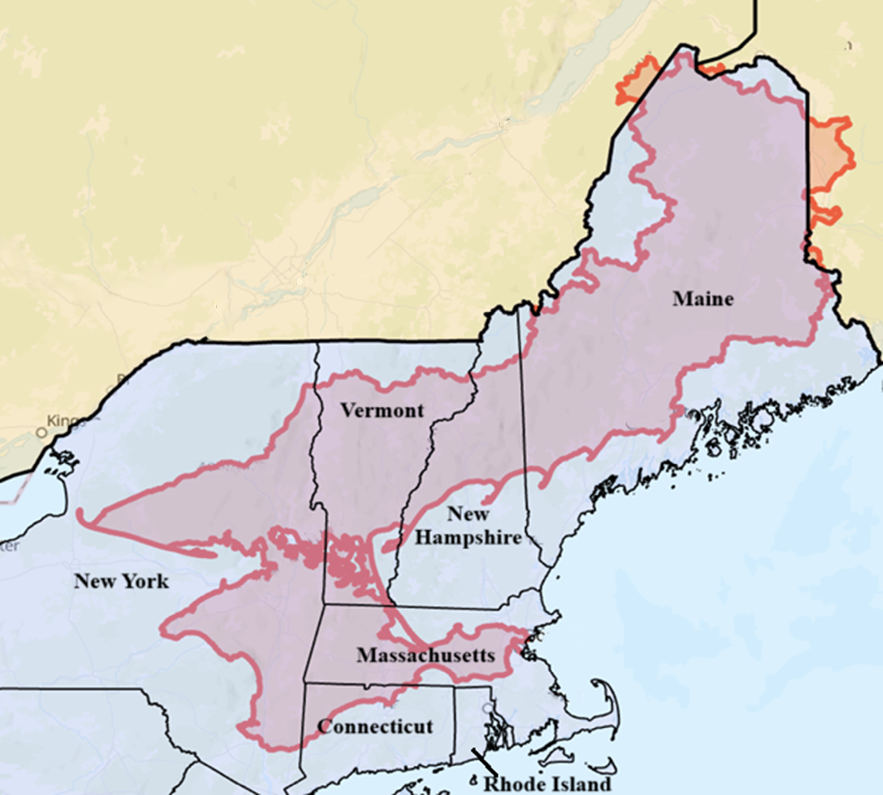
- “To assist in visualizing the options laid out in the various peace proposals, Harvard’s Russia Matters team has produced a second map that overlays the Ukrainian territory Russia currently holds on a map of New England. That 44,000 square miles of Ukraine amounts essentially to the combined area of the northern New England states of Maine, Vermont, and New Hampshire.”
Map 2: Current Russian Territorial Control Overlaid on New England
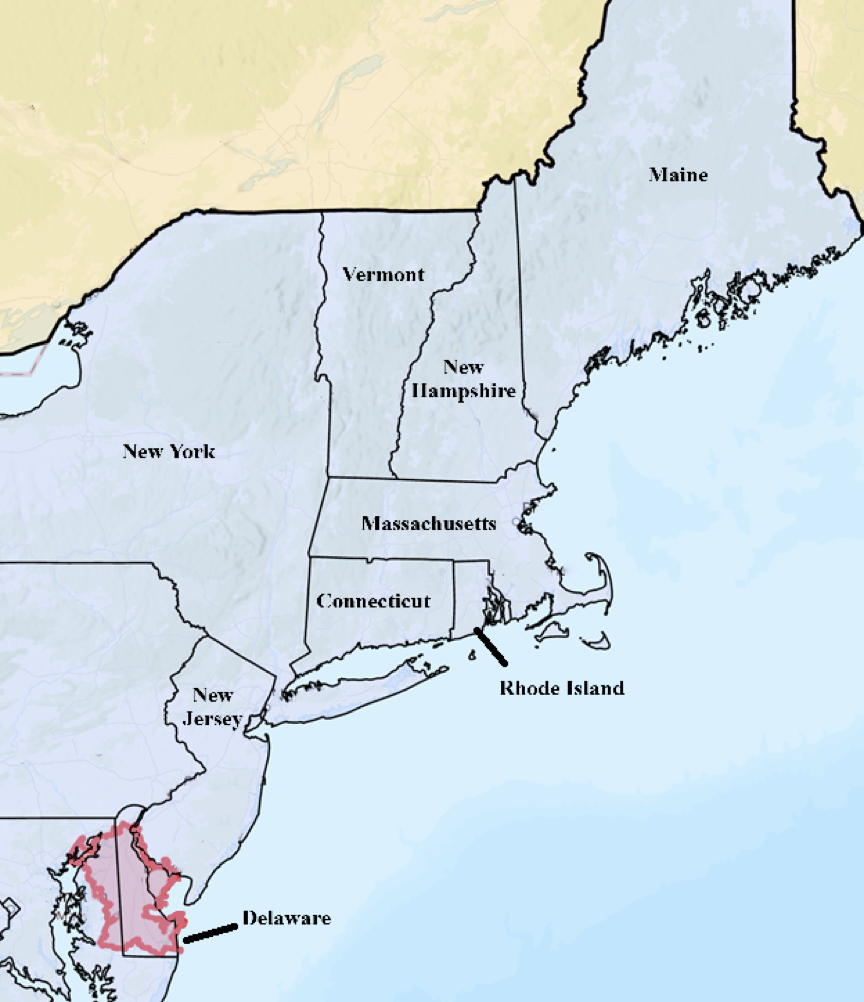
Map 3: Remainder of Donetsk Equivalent
- “[N]either West Germany nor South Korea gave up their aspirations and claims to recover occupied lands. On the other hand, Russians remind us that at the end of World War II, the Soviet Union had acquired approximately 10 percent of Finland’s pre-war territory following the Russo-Finnish War. For a decade after the war, the Finns discussed reunification. However, it eventually relinquished these claims and focused instead on becoming the modern miracle it is today.”
- “Whether the bloody war in Ukraine will come to an end in the foreseeable future remains to be seen. But if it does, two brute facts are almost certain. First, Russia will continue to occupy about 20 percent of the land that previously belonged to Ukraine; second, Ukraine will not relinquish its claim to recover its land.”
- “The question his [Zelenskyy’s] government now faces is whether to accept an option that will end the war sooner, with all the liabilities that entails, or to continue fighting and risk losing more warriors, citizens, and territory.”
Read the full article at The National Interest.
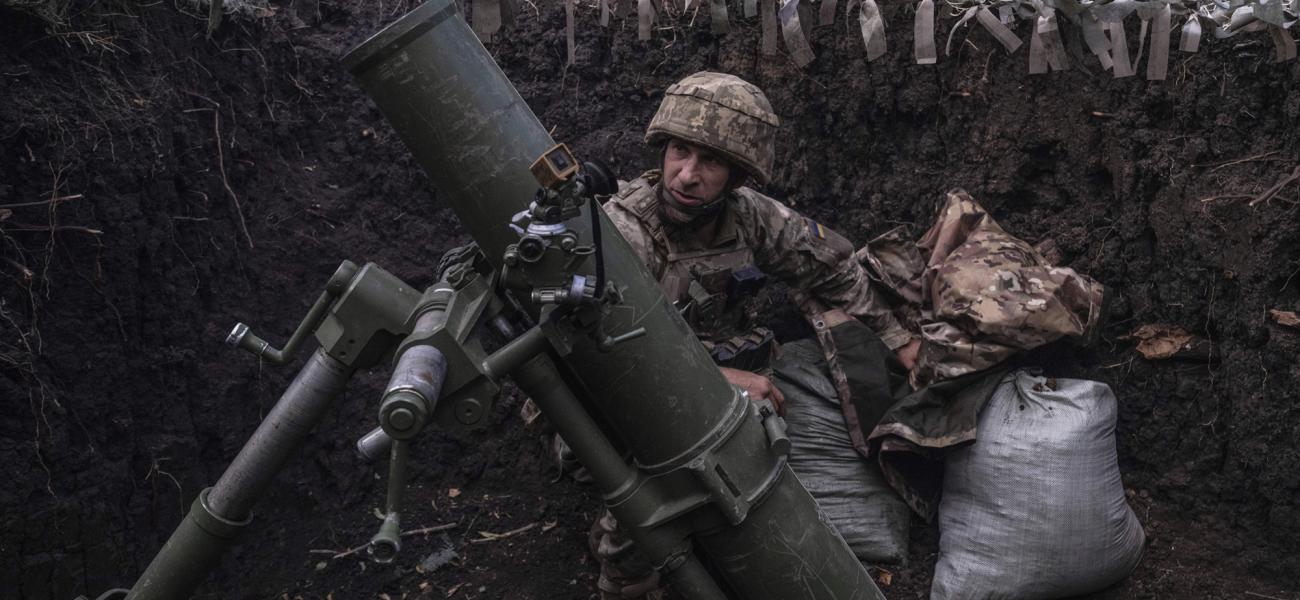
Opinions expressed herein are solely those of the author. Photo by Iryna Rybakova/Ukraine's 93rd Mechanized Brigade via AP.